
U.S.–China Relations: Soybean Purchases Signal Goodwill Amid Ongoing Tensions
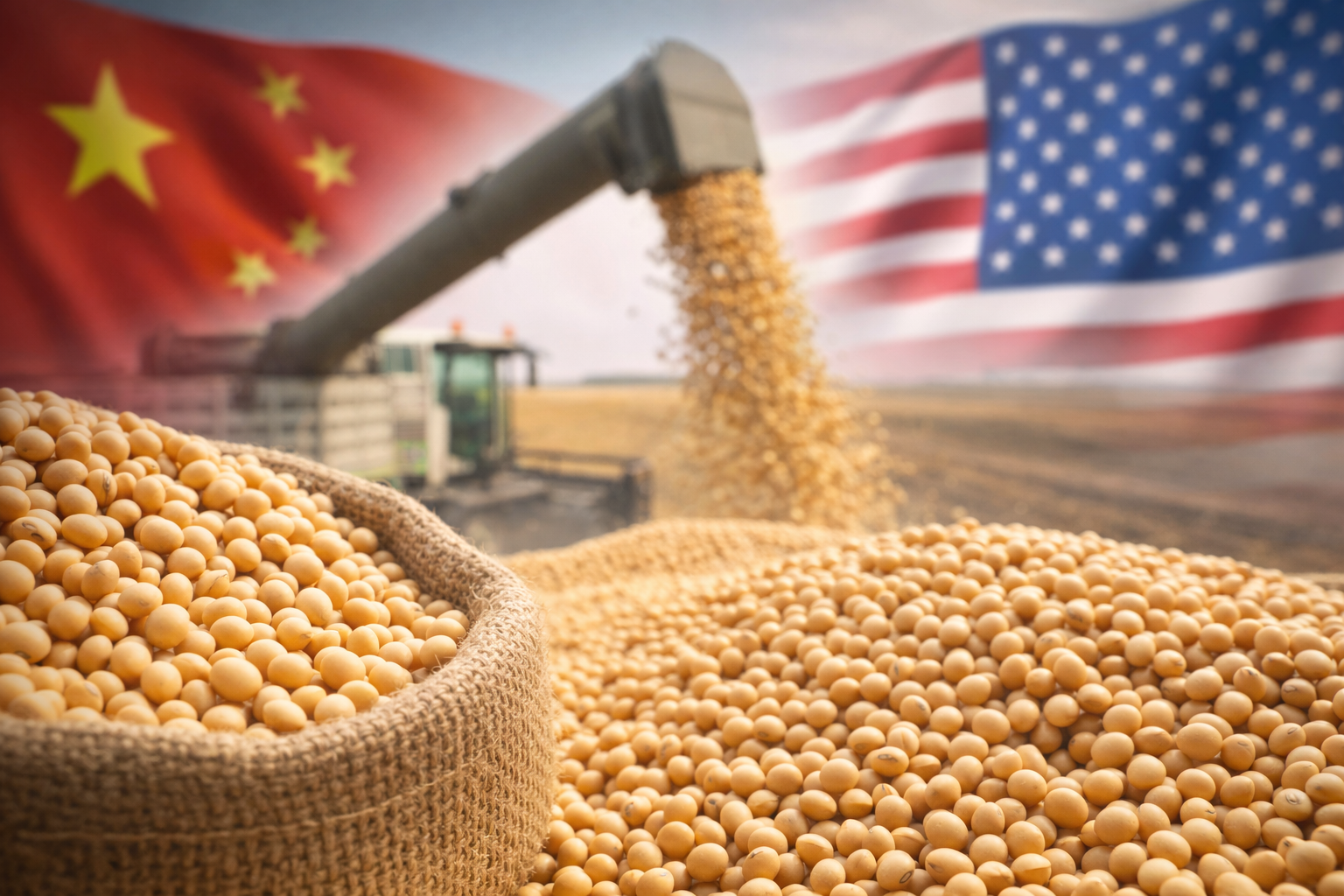
China is considering increasing its purchases of U.S.-grown soybeans following what President Donald Trump described as “very positive” talks with Chinese President Xi Jinping on February 4. The development comes as both sides emphasize the importance of stability in bilateral relations, even while key geopolitical and security issues remain unresolved.
According to President Trump, China may raise U.S. soybean imports to around 20 million metric tons this season, up from approximately 12 million tons previously. The potential increase, seen as a goodwill gesture ahead of Trump’s expected visit to Beijing, supported soybean prices in global markets.
Fundamental Perspective
The discussion between the two leaders covered a broad range of trade and security topics that continue to shape the relationship between the world’s two largest economies. Both presidents publicly highlighted the importance of maintaining constructive engagement, marking their first direct interaction since November.
Despite past rhetoric and policy actions that placed China at the center of several hawkish U.S. initiatives, recent months have seen a more measured approach. Adjustments in areas such as tariffs and technology-related restrictions have signaled a partial easing of economic pressure, even as strategic competition persists.
Market observers note that both Washington and Beijing appear intent on avoiding further escalation, focusing instead on selective cooperation where interests align — particularly in trade and agriculture.
Areas of Tension
Taiwan remains a major source of friction. The United States recently announced a large arms sales package to Taiwan, a move strongly opposed by Beijing. China reiterated its position that Washington should handle such matters with caution, while the United States continues to emphasize its legal obligations to support Taiwan’s defense capabilities.
Additional uncertainty has emerged from internal developments within China’s military leadership, prompting questions about broader policy implications. U.S. officials have publicly downplayed the impact of these developments on bilateral relations.
Global security concerns also remain in focus, particularly as existing nuclear arms control agreements approach expiration. The prospect of a renewed arms race has raised calls for broader international engagement, including China’s potential involvement in future negotiations.
Trade and Strategic Commodities
Beyond agriculture, trade policy continues to play a central role in U.S.–China relations. The U.S. administration has maintained its emphasis on tariffs as a tool to support domestic manufacturing, while also seeking to reduce dependency on China in critical supply chains.
Recent initiatives announced by U.S. officials aim to strengthen cooperation among allied nations on critical minerals, reflecting efforts to limit strategic vulnerabilities linked to global resource concentration.
These developments highlight the complex balance between competition and cooperation that continues to define economic relations between the two countries.
Market Outlook
The potential increase in Chinese soybean purchases underscores a willingness on both sides to pursue pragmatic engagement, even as broader geopolitical tensions remain unresolved. For markets, this balance suggests continued volatility, tempered by selective cooperation in areas of mutual economic interest.
Going forward, progress on trade, agriculture, and strategic dialogue will be closely monitored as indicators of whether stability in U.S.–China relations can be sustained through 2026.
Disclaimer: This content is for informational and educational purposes only and does not constitute investment or financial advice.