
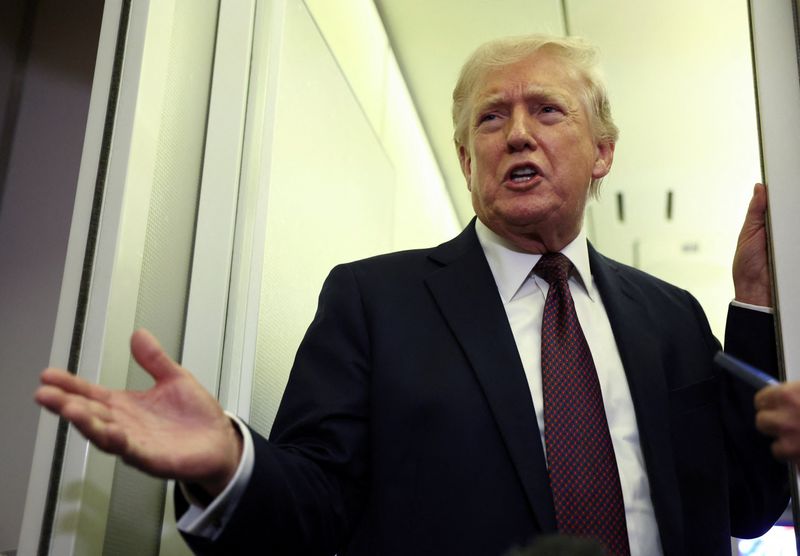
Trump Criticizes NATO Allies Over Iran Conflict Support
U.S. President Donald Trump stated that most NATO allies have declined to participate in the ongoing U.S. military operation in Iran, calling their decision a "very foolish mistake."
Speaking from the Oval Office during a meeting with Irish Prime Minister Micheál Martin, Trump said that while NATO countries support the joint U.S.-Israeli campaign, they have been reluctant to provide direct military involvement.
"I think NATO is making a very foolish mistake," Trump said. "Everyone agrees with us, but they don’t want to help."
Despite his criticism, Trump indicated that he currently has no plans to retaliate against NATO allies for their lack of participation.
The U.S.-Israeli military campaign in Iran has now entered its third week, with rising geopolitical tensions across the Middle East.
Strait of Hormuz Becomes Strategic Focus
Trump urged allied nations to assist in securing the Strait of Hormuz, a critical global oil transit route through which approximately 20% of the world’s oil supply passes.
This call came after Iran responded to recent military strikes by deploying drones, missiles, and naval mines, effectively disrupting tanker movement through the channel.
However, several U.S. allies have indicated that they currently have no plans to send naval forces to support operations in the region.
Mixed Signals on Alliance Strategy
Earlier statements suggested a mixed stance from the U.S. administration. While urging allies for support, Trump also indicated that the United States does not necessarily require NATO assistance.
In a public statement, he emphasized that recent military success had reduced the need for external involvement, even as he expressed disappointment over allies’ reluctance to engage.
Trump also highlighted countries such as Japan, Australia, and South Korea while discussing international responses to the conflict.
The situation underscores growing divisions among Western allies as the conflict in the Middle East continues to evolve, raising concerns about global stability, energy security, and coordinated military strategy.
Prepared for educational purposes by ThePipLab.